
Welcome to
Suffolk Extension Master Gardeners
We Exist to Serve You
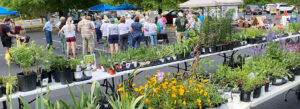
Suffolk Extension Master Gardeners (Suffolk EMGs) volunteer their time and expertise to provide FREE horticultural education for residents of the City of Suffolk, Virginia. They provide programs for both youth and adults on a variety of topics like tree care, native plants, flower and vegetable gardening, pest and disease identification, integrated pest management, and more. Visit the programs, events, and demonstration garden pages to learn more!
Ask a Master Gardener
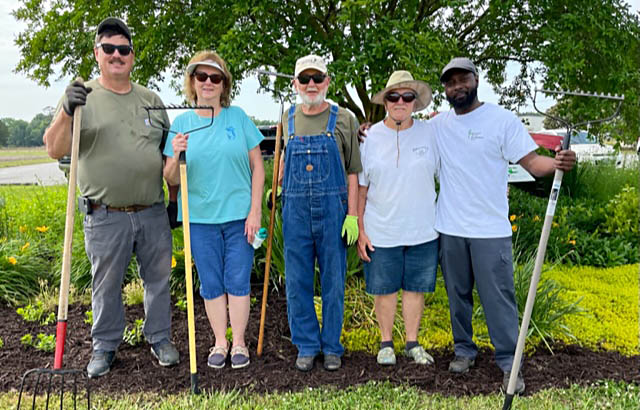
Getting help is easy! Suffolk EMGs can be found at our office, on Facebook, by phone, email, and at various Suffolk farmers markets. Take advantage of our Ask a Master Gardener program, where you can contact us from the comfort of your own home! To submit a question, email us at SuffolkMG@gmail.com or call us at 757-514-4335. When emailing, attach pictures of the plant, pest, or problem and provide a detailed description. This will allow us to serve you. A Suffolk EMG volunteer will respond in a timely manner. Beginning in 2024, volunteers will be providing monthly office hours. Stop by our Virginia Cooperative Extension (VCE) classroom and obtain research-based assistance with your gardening questions and concerns.
Spotted Lanterfly Information
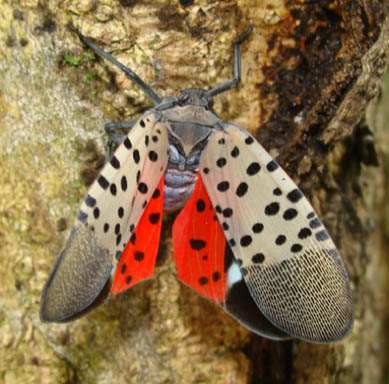
Pest Alert: Spotted Lanternfly Identification
and Reporting in Virginia

Get our updates delivered to your inbox
We’re looking forward to meeting prospective new Master Gardener Volunteers tomorrow at 6:00! You can still register to join an information session and learn more about volunteering and expectations, get your questions answered, and meet some of our volunteers. Register at https://forms.gle/qLUrtyTzGmnAv9Xy9.
This year’s training fits into busy lives with only 3-5 in-person commitments per month.
Basic details:
- Training runs September 16, 2026 - March 10, 2027 with 6+ weeks off over for holidays.
- Meets Wednesdays at VCE from 6 - 8:30pm.
- Meets one Saturday each month for a field trip/lab from 9 - noon.
- Training pauses for Veterans Day, two weeks at Thanksgiving, and four weeks early December to early January.
- $195 cost includes:
- $82 Suffolk course fee,
- $100 state program fee, and
- $13 state background screening fee.
Some scholarship funds may be available.
See a PDF of this flyer at https://drive.google.com/file/d/1F_nAQymtTLisdlL6oP-1yyu2ko7mk5sA/view?usp=sharing.
While we hope you can join us in person so you can chat with us, if you cannot make May 6th, a portion will be recorded and available by Zoom on May 16th. Register for either date at https://forms.gle/qLUrtyTzGmnAv9Xy9.
The full class schedule will be available and application link will be provided at the information session. Application period ends May 31st.
—
Virginia Cooperative Extension is a partnership of Virginia Tech, Virginia State University, the U.S. Department of Agriculture (USDA), and local governments and is an equal opportunity employer. For the full non-discrimination statement, please visit ext.vt.edu/accessibility.
If you are a person with a disability and desire assistance or accommodation, please contact Andrea Slye, VCE City of Suffolk, at 757-514-4337 during business hours of 9:00 a.m. and 4:00 p.m. *TDD number is (800) 828-1120.

We asked last year's class about volunteer training. See Kristen's quote in the graphic. Kristen had to wait a whole year to take Master Gardener training because we didn't have enough interest in 2024 (don't let that happen this year!), and she hasn't wasted a minute since. She put together a seed-starting talk and display for the seed swap, created our "save the date" postcards, and has stepped up as a volunteer on our help desk to answer questions. She's also certified as a Master Gardener Volunteer!
---
You don't have to wait. If you want to volunteer in a gardening-focused program, register for Saturday's Zoom information session to learn more, and see our flyer with more details, both at: forms.gle/qLUrtyTzGmnAv9Xy9.
The full class schedule will be available and application link will be provided at the information session. Application period ends May 31st.
---
Virginia Cooperative Extension is a partnership of Virginia Tech, Virginia State University, the U.S. Department of Agriculture (USDA), and local governments and is an equal opportunity employer. For the full non-discrimination statement, please visit ext.vt.edu/accessibility.
If you are a person with a disability and desire assistance or accommodation, please contact Rose Hughes, VCE City of Suffolk, at 757-514-4331 during business hours of 9:00 a.m. and 4:00 p.m. *TDD number is (800) 828-1120. ... See MoreSee Less
1 CommentsComment on Facebook
Did you know that May is Gifts from the Garden Month? 🎁
Yup that is right.
A garden gives us so many gifts; flowers, food, exercise, beauty & fragrance are just a few.
What are your favorite gifts your garden gives? 👇 ... See MoreSee Less
2 CommentsComment on Facebook
🌷 Happy Tulip Day! 🌷
Tulips are a classic spring favorite, known for their bright colors and simple elegance.
🌿 Fun Fact:
Tulips were once so valuable in the Netherlands that they sparked “Tulip Mania” one of the first recorded economic bubbles!
🌱 Gardening Tip:
In Virginia, tulip bulbs should be planted in the fall for spring blooms. Choose well-drained soil to prevent rot.
🌼 While many tulips are treated as annuals here, some varieties can naturalize with the right conditions.
💬 What color tulips brighten your spring garden?
Image text:
Growing Tulips in Virginia
Growing perennial tulips in Virginia can be a challenge, but with the right bulbs and attention, tulips can come back each year!
Variety selection:
Purchase good quality, large bulbs, with a reputation for dependability over more than one season. Try Darwin, Triumph, or Emperor varieties.
Hybrid tulips may not come back in succeeding years and should be treated as annuals.
When to plant: Late October to early December. Tulips sometimes rot in warm, wet years when planted before late October.
Bloom time: March - May (depends on variety and weather).
Planting location: Well drained site that is dry in the summer.
Pests: Deer, rabbits, and other animals.
In spring: Fertilize, leave foliage until yellow and withered.
Diagram of planting from top to bottom:
Mulch on top during winter, remove in spring
Planting depth: 6-8 inches in very well drained soil
Pointy end of the bulb up! ... See MoreSee Less
0 CommentsComment on Facebook